Price Secondhand Items Right: Tips to Sell Fast and Get Top Value
Pricing secondhand items correctly is a bit of an art and a science, but it’s crucial for moving your stuff quickly while still feeling good about the money you’ve made. The goal is to hit that sweet spot where buyers see value and you don’t feel like you’re giving things away. It’s not just about picking a number; it involves understanding the market, your item’s condition, and a bit of psychology.
Understanding the Market Landscape
Before you even think about a price tag, you need to understand where your item sits in the broader market. This isn’t about guesswork; it’s about practical research. The “market” for secondhand goods is incredibly varied, from local garage sales to international online platforms, and what something sells for in one context might be wildly different in another.
Researching Comparable Sales
This is your first and most important step. Don’t just look at what people are asking for similar items; look at what they have sold for. Platforms like eBay have a “sold listings” filter that is invaluable. Look for items that are as close as possible to yours in terms of brand, model, condition, and included accessories. If you’re selling a used iPhone, search for that specific model, storage capacity, and color. Note the final sale price, including shipping. For local sales (like Facebook Marketplace or Craigslist), this is a bit harder to track directly, but you can get a feel for asking prices and how long listings stay active. Check out local consignment shops or pawn shops to see their pricing, though remember they need to make a profit margin, so their prices might be higher than what a private seller can achieve.
Identifying Your Target Audience
Who are you trying to sell this to? A collector will pay more for a rare, well-preserved item than someone just looking for a functional replacement. A student might prioritize affordability over features. Knowing your audience helps you frame your item and its price. Are you selling a high-end vintage camera to a photography enthusiast, or a used blender to someone furnishing their first apartment? The expectations and willingness to pay will vary significantly. If you’re selling something highly specific or niche, your audience might be smaller, but potentially more dedicated and willing to pay for scarcity or particular features.
Considering Seasonality and Trends
Some items sell better at certain times of the year. Winter coats in summer? Not so much. Patio furniture in spring? Absolutely. Electronics often see a dip in price after new models are released. Keep an eye on popular trends too. Certain brands or styles might be in vogue, commanding higher prices. Conversely, items that are out of style might need to be priced more aggressively to sell. For example, specific video game consoles might spike in popularity (and price) when a new highly anticipated game is released that’s compatible with them.
Assessing Your Item’s True Value
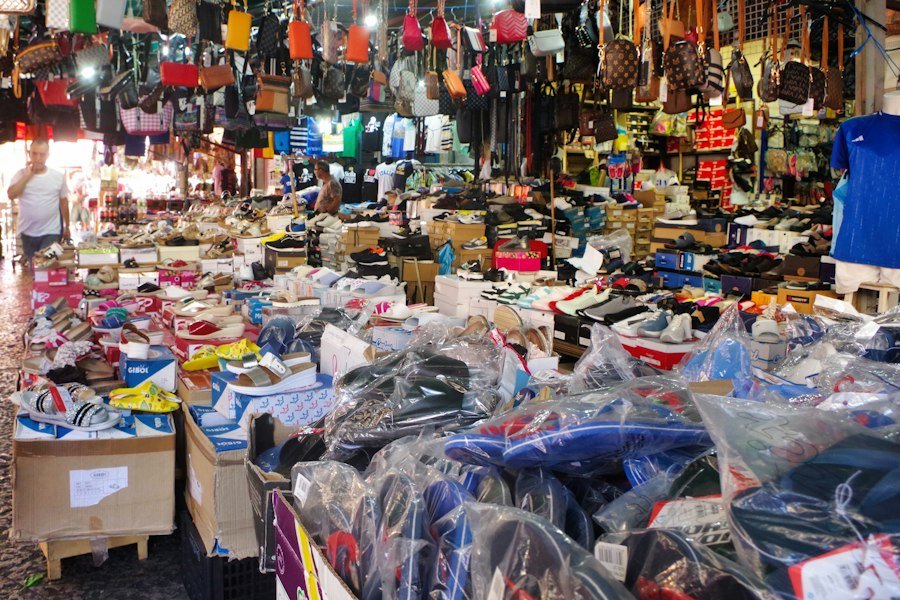
Once you have a handle on the market, it’s time to get brutally honest about your item. Buyers are savvy, and they’ll notice imperfections. Your pricing should reflect these realities.
Evaluating Condition Objectively
This is where many sellers stumble. We tend to see our own items through rose-colored glasses. A “good” condition to you might be “fair” to a buyer. Be meticulous. Are there scratches, dents, stains, or missing parts? Does it work perfectly? Are all original accessories included? Test electronics thoroughly. For clothing, check for snags, pilling, faded areas, or stretched elastic. Use a standardized grading system if available (e.g., “like new,” “excellent,” “good,” “fair,” “for parts/repair”). The more transparent and accurate you are about the condition, the more trust you build with potential buyers, which can actually help you get a better price by reducing post-purchase disputes.
Accounting for Age and Obsolescence
Technology depreciates rapidly. A laptop from three years ago, even in pristine condition, won’t fetch anywhere near its original price because newer, faster models are available. Clothing styles change. Furniture designs evolve. Be realistic about how much value your item has lost simply due to time. Antiques and collectibles are an exception, where age can increase value, but this is a specific niche. For most everyday items, older means less desirable and less valuable. A classic piece of furniture might hold its value better than a trendy one that was popular for only a short period.
Factoring in Original Cost and Depreciation
While the original price isn’t the primary driver for secondhand value, it’s a useful benchmark. Generally, items depreciate significantly the moment they leave the store. High-end brands tend to hold their value better than generic ones, but even then, a considerable drop is expected. Think about the typical depreciation rates for similar items. For example, a new car loses a significant percentage of its value the moment you drive it off the lot. While not as drastic for smaller items, the principle is the same. Don’t expect to get 75% of your original price back for a used kitchen appliance unless it’s practically brand new and highly sought after.
Strategic Pricing Techniques
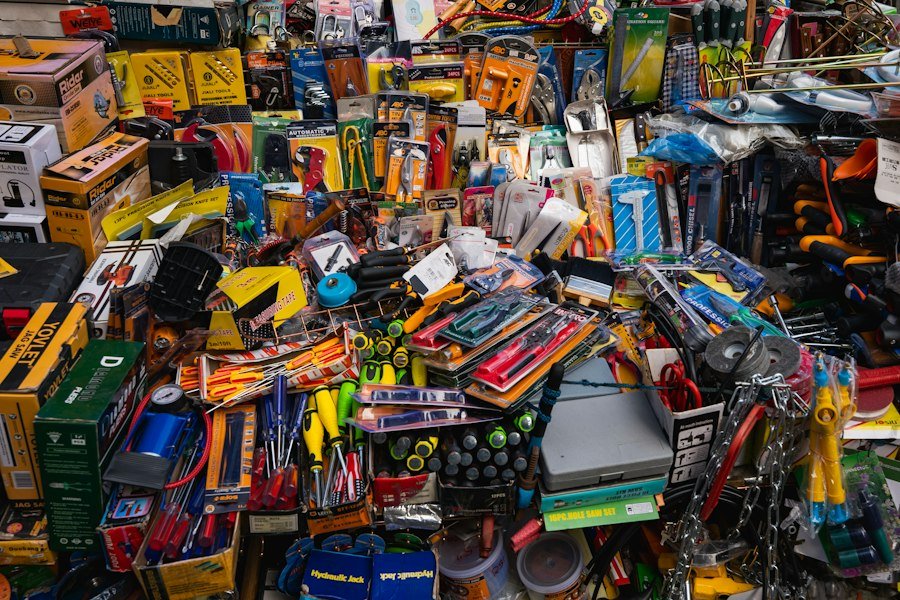
Now that you’ve done your homework, it’s time to set that price. This involves a mix of strategy and understanding buyer psychology.
Anchoring and Psychological Pricing
This is where you can subtly influence a buyer’s perception of value. An “anchor price” is the first price a buyer sees, which then influences their perception of subsequent prices. If you list an item at $100 and then reduce it to $80, $80 looks like a good deal. If you initially listed it at $85, then $80 might not feel as compelling. Using prices ending in .99 or .95 (e.g., $49.99 instead of $50) can make items seem slightly cheaper, playing into the psychological effect of focusing on the first digit. For higher-value items, round numbers often convey a sense of quality and confidence.
Setting a Baseline and a Negotiating Margin
Don’t just pick one number. Decide on your absolute lowest acceptable price – the “walk-away” price below which you’d rather keep the item. Then, set your asking price slightly higher to allow for negotiation. Most buyers expect to haggle a bit, especially for secondhand goods. A common strategy is to price 10-20% above your desired minimum. This gives you wiggle room without starting so high that you scare off potential buyers. If your ideal price is $50, you might list it for $60. This allows a buyer to offer $50 or $55 and still feel like they got a deal, while you still hit your target.
Considering “Bundling” for Added Value
Sometimes, individual items don’t fetch much, but combined, they become more appealing. Have a few old video games for the same console? Bundle them. Selling a piece of furniture? Include some coordinating cushions or decor items. A “package deal” can justify a higher overall price and help you clear out more items at once, making it more convenient for both you and the buyer. This works especially well for complementary items that buyers would likely want together anyway.
Deciding on “Firm” vs. “OBO” (Or Best Offer)
This comes down to your priorities. “Firm” indicates you’re not willing to negotiate much, if at all. This is good if you’ve already priced very competitively or for high-demand items. “OBO” signals openness to negotiation and can attract more inquiries, but it also means you might need to field lowball offers. If you want to sell fast and prioritize convenience, “OBO” can be effective. If you’re confident in your price and willing to wait, “Firm” might be better. You can also state “Slightly Negotiable” to indicate you’re open to small adjustments but won’t entertain drastically lower offers.
Optimizing Your Listing for Success
A great price is only part of the equation. How you present your item can significantly impact its perceived value and how quickly it sells.
High-Quality Photos are Non-Negotiable
This is perhaps the single most important aspect of a successful listing after pricing. Buyers scroll quickly. A blurry, dark, or poorly staged photo will be skipped. Take multiple, clear photos from different angles in good, natural light. Highlight unique features and also honestly show any flaws. Clean your item thoroughly before photographing. Stage it nicely – for clothing, iron it and hang it; for electronics, show it powered on if possible. A buyer can’t touch or feel the item online, so your photos are their primary way of assessing it. Think of it like a mini photoshoot for your item.
Writing a Compelling and Honest Description
Your description needs to be informative, engaging, and utterly honest. Start with key details: brand, model, size, color, age. Follow with a description of its condition, noting any flaws clearly. Explain why you’re selling it (e.g., “upgraded,” “doesn’t fit,” “no longer needed”) – this adds a human touch. Include dimensions if applicable, and mention if it comes from a smoke-free/pet-free home (a big plus for many). Use keywords that buyers might search for. Avoid generic phrases like “great item” and instead focus on specific features and benefits. The more details you provide upfront, the fewer questions you’ll have to answer later, and the more confident a buyer will feel.
Choosing the Right Selling Platform
Different items do better on different platforms. For local pickup and larger items, Facebook Marketplace, Craigslist, or local buy/sell groups are excellent. For smaller, shippable items, eBay, Poshmark (for fashion), Mercari, or specific niche forums are better. Consider the fees associated with each platform, as these will eat into your profit. If you’re selling a specialty item (e.g., vintage camera gear, specific collectibles), look for dedicated online communities or forums where interested buyers congregate. Choosing the wrong platform can mean your item sits unsold for ages, even if priced well.
Being Responsive and Professional
Once your item is listed, be prepared to answer questions promptly and politely. Even if an offer is low, respond respectfully. Timely communication builds trust and keeps buyers engaged. Set clear expectations regarding pickup times or shipping. A pleasant and professional interaction can make a buyer more likely to proceed with a purchase, or even to offer a better price than their initial lowball. Remember, you’re not just selling an item; you’re providing a selling experience.
Dealing with Offers and Closing the Sale
| Pricing Strategy | Description | Typical Discount Range | Expected Selling Time | Notes |
|---|---|---|---|---|
| Competitive Pricing | Price slightly below similar items on the market | 5% – 15% below market price | 1 – 3 weeks | Requires market research on similar listings |
| Quick Sale Pricing | Price significantly lower to encourage fast sale | 20% – 40% below market price | Few days to 1 week | Best for items you want to sell immediately |
| Value-Based Pricing | Price based on item’s condition and demand | 10% – 25% below original retail price | 1 – 4 weeks | Higher price if item is in excellent condition |
| Bundle Pricing | Offer multiple items together at a discounted rate | 15% – 30% off combined price | 1 – 2 weeks | Encourages buyers to purchase more |
| Psychological Pricing | Price just below a round number (e.g., 19.99) | Varies | 1 – 3 weeks | Creates perception of better deal |
You’ve got interest! Now it’s time to navigate negotiations and finalize the deal without any hitches.
Negotiating Effectively
This is where your pre-set negotiation margin comes into play. When you receive an offer, don’t feel pressured to accept or reject immediately. If it’s too low, politely counter-offer, perhaps a bit above your desired minimum. You can say something like, “Thanks for your offer! I’m looking for closer to $X, but I can meet you at $Y.” Be prepared for some back-and-forth. If the offer is reasonable but not quite what you want, you can also consider throwing in a small, inexpensive extra to sweeten the deal rather than lowering the price further. For instance, if selling a phone, include a screen protector or a spare cable.
Handling Lowball Offers Graciously
They’re inevitable. Some buyers will offer ridiculously low prices. Don’t take it personally. A simple, polite response is best: “Thank you for your offer, but I’m looking for a bit more at this time.” Or, if you want to gauge their seriousness, “What is the highest you’re willing to go?” This keeps the door open without committing you to their low price. You don’t owe them a detailed explanation for why you’re rejecting their offer. Just be firm but polite.
Setting Clear Terms for Pickup or Shipping
Before finalizing, clearly communicate how the transaction will proceed. For local pickup, specify a public, safe meeting location and exact time. For shipping, confirm the shipping cost (and who pays it), the carrier, and estimated delivery time. Outline your preferred payment method (cash for local sales, secure online payment for shipping). Avoid giving out too much personal information until absolutely necessary. The clearer you are upfront, the fewer misunderstandings there will be.
Securing Payment Safely
For local sales, cash is king. It’s instant and untraceable (in a good way for private sales). Be wary of checks, money orders, or unusual payment apps for local pickups. For online sales requiring shipping, always use the platform’s integrated payment system (e.g., eBay Managed Payments, PayPal Goods and Services). This offers buyer and seller protection. Never ship an item before confirming payment has cleared into your account. Always verify that the payment is legitimate and not a scam.
By following these steps, you’ll be well on your way to pricing your secondhand items effectively, selling them quickly, and getting the best possible value for your efforts. It takes a little extra work upfront, but it pays off in smoother transactions and more money in your pocket.