

Sell Used Furniture Fast: Top Tips for Quick Online Success
Selling used furniture fast online comes down to a few key things: great photos, honest and detailed descriptions, smart pricing, and picking the right platforms. You want to make it easy for potential buyers to see the value in what you’re offering and trust that they’re getting a good deal. It’s all about creating an appealing listing that stands out in a crowded marketplace, guiding them quickly from browsing to buying.
Getting Your Furniture Ready to Shine
Before you even think about snapping a photo or typing a description, a little prep work goes a long way. Think of it as staging your item for its big debut. The goal here is to present your furniture in the best possible light, making it instantly more appealing to potential buyers scrolling through endless listings.
Deep Clean is Key
This might seem obvious, but a thorough cleaning is probably the most important step. Dust, grime, and hidden crumbs are major turn-offs. For wooden items, use appropriate wood cleaner and polish to bring out the luster. For upholstered pieces, a good vacuuming is essential, followed by spot cleaning any stains. Fabric fresheners can work wonders too. If your item has metal components, shine them up. Don’t forget hidden areas like under drawers or the back of cabinets – buyers will often inspect these, and a clean item implies it’s been well cared for. A clean item instantly elevates its perceived value and makes it much easier to photograph well.
Minor Repairs Matter
Take a few minutes to address any small issues. Tighten loose screws on chairs or tables. Replace missing felt pads on chair legs to prevent scratching floors. If a drawer sticks, see if a little WD-40 or sanding can fix it. Small repairs demonstrate care and prevent potential buyers from haggling down the price due to easily fixable flaws. However, know your limits; don’t attempt major upholstery repairs unless you’re truly skilled, as a botched repair can look worse than the original damage. The idea is to fix things that are quick, easy, and improve functionality or appearance without significant effort or cost.
Declutter and Depersonalize
When taking photos, you want the furniture to be the star, not your personal belongings. Remove any clutter from on, in, or around the item. If it’s a bookshelf, clear off the books and knick-knacks. If it’s a dresser, empty the drawers. You’re selling the furniture, not your decor. This also helps potential buyers envision the piece in their own space without being distracted by your personal style. A clean, empty surface allows them to focus on the item itself.
Scent Check
While you can’t always convey scent online, addressing any lingering odors is crucial, especially for upholstered items. Pet odors, smoke, or stale smells are immediate deal-breakers in person. After a deep clean, air out the furniture outdoors if possible (on a dry day, of course). Baking soda sprinkled on fabric items and left overnight before vacuuming can absorb many odors. Essential oil sprays can help with a pleasant, subtle scent, but avoid overpowering perfumes.
Mastering the Art of Photography
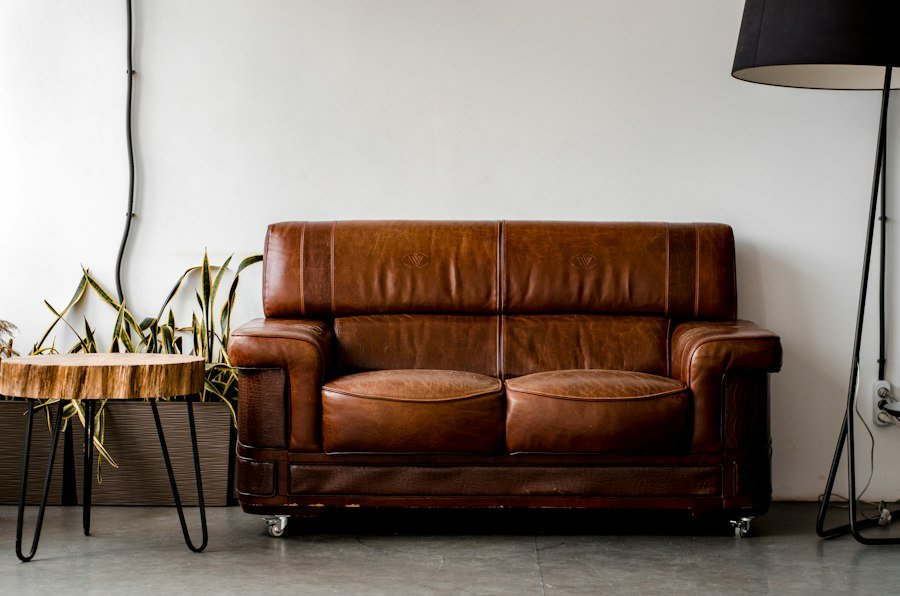
Good photos are the single most important factor in selling used furniture online quickly. People scroll past blurry, dark, or poorly composed images without a second thought. Your photos need to grab attention and provide all the visual information a buyer needs to feel confident about their purchase.
Lighting is Everything
Natural light is your best friend. Position your furniture near a large window or, even better, outdoors on an overcast day. Avoid direct harsh sunlight, which can create strong shadows and wash out details. If shooting indoors, turn off overhead lights that can cast yellow hues and use supplementary lighting if necessary, but natural light is always preferred. The goal is even, bright illumination that shows the true colors and textures of the piece. Avoid using flash directly on the furniture as it can create harsh reflections and unnatural shadows.
Multiple Angles and Details
Don’t just take one or two photos. Aim for at least 5-8 high-quality images.
- Full Shot: A clear, unobstructed view of the entire piece from the front.
- Side and Back Shots: Show the dimensions and design from different perspectives.
- Corner Shots: Capture the overall shape and how it fits into a space.
- Detail Shots: Close-ups of unique features like hardware, carvings, fabric texture, or interesting joinery.
- Condition Shots: Crucially, take clear photos of any imperfections, no matter how small. Scratches, dents, tears, or wear areas must be photographed. This builds trust and prevents disputes later.
- Context Shot (Optional): If possible, show the item in a room (even if staged simply) to give a sense of scale, but ensure it’s still clean and uncluttered.
High Resolution and Focus
Use a smartphone or camera that takes high-resolution images. Ensure every photo is in sharp focus. Blurry images are useless. Tap on your phone screen to focus on the furniture itself. When uploading, use the highest quality setting available on the platform. Clear images allow buyers to zoom in and examine details.
Consistent Background
Try to use a clean, uncluttered, and consistent background for all your photos. A plain wall or a simple outdoor setting works best. Avoid busy backgrounds that distract from the furniture. You want the furniture to pop, not blend into a chaotic scene. A consistent background also makes your listing look more professional and organized.
Scale Reference
For larger items, including something in the photo that provides a sense of scale can be helpful. A standard-sized chair next to a large table, or even just a hand or a common object (like a remote control, not your personal items) next to a smaller item can give buyers a better idea of its size without needing to constantly refer to dimensions.
Crafting an Irresistible Description

Once your photos are sparkling, your description needs to seal the deal. This is where you provide all the information the photos can’t, answer potential questions upfront, and convince buyers your item is worth their time and money. Think of it as your sales pitch, but informative and honest.
The Catchy Headline
Your headline is your first chance to grab attention. Be descriptive and include key search terms. Instead of “Table for Sale,” try “Mid-Century Modern Dining Table – Solid Wood – Seats 6 – Excellent Condition.” Include brand names if applicable, material, style, and condition. Keep it concise but informative.
Detailed and Accurate Information
This is where you paint a complete picture of your item.
- Dimensions: Always include exact measurements (height x width x depth) in inches or centimeters. This is non-negotiable for furniture. Buyers need to know if it will fit in their space and through their doors.
- Material: Specify what the furniture is made of (e.g., solid oak, pine veneer, velvet upholstery, genuine leather).
- Condition: Be brutally honest. Use clear language to describe any wear, tear, scratches, dents, fading, or stains. Refer to your photos of these imperfections. Terms like “good condition” are vague; instead, say “Minor surface scratches consistent with age, one small chip on the back corner (see photo).”
- Style/Era: If you know the style (e.g., Mid-Century Modern, Farmhouse, Contemporary, Antique Victorian) or approximate era, include it. This helps buyers searching for specific aesthetics.
- Brand/Manufacturer: If it’s a known brand (e.g., IKEA, West Elm, Pottery Barn, vintage Ethan Allen), include it. Brand recognition can significantly boost interest.
- Reason for Selling: Briefly state why you’re selling (e.g., “Downsizing,” “Re-decorating,” “Moving”). This adds a human touch and can reassure buyers that there’s no hidden issue with the furniture.
Highlight Key Features and Benefits
Don’t just list facts; explain why they’re good.
- Functionality: Does it have storage? Is it expandable? Does it recline?
- Durability: Mention if it’s solid wood, sturdy construction.
- Versatility: Can it be used in different rooms or for different purposes?
- Unique Selling Points: Is it a rare find? Hand-painted? A specific designer piece?
- Maintenance: Is it easy to clean? Does it require special care?
Be Transparent About Flaws
This cannot be stressed enough. Hiding flaws will only lead to unhappy buyers, potential negative reviews, and wasted time. By disclosing everything upfront, you build trust. Buyers appreciate honesty. Frame it realistically: “While in excellent structural condition, there are a few minor cosmetic blemishes commensurate with a pre-owned item, detailed in the photos.”
Call to Action and Logistics
End your description with clear instructions and information about pick-up or delivery.
- Price: Clearly state your asking price.
- Negotiation: Indicate if the price is firm or “OBO” (Or Best Offer).
- Location: Provide your general location (e.g., “Downtown Anytown,” “Near Junction 5”) for pick-up planning, but never your exact address until a deal is made.
- Pick-up Details: “Buyer must pick up,” “Bring help for loading,” “Item is on the ground floor/requires disassembly.” Be specific about what the buyer needs to do.
- Payment: Specify preferred payment methods (e.g., cash, Venmo, PayPal F&F).
- Contact: “Serious inquiries only, please.” “Feel free to message with any questions.”
Proofread Meticulously
Typos and grammatical errors make your listing look unprofessional and can erode buyer confidence. Read through your description carefully before posting. Even better, have someone else read it. A well-written description conveys professionalism and attention to detail.
Strategic Pricing for a Swift Sale
Pricing used furniture can feel like a guessing game, but with a strategic approach, you can set a price that attracts buyers quickly while still getting a fair return. It’s about balancing value with speed.
Research, Research, Research
This is your most important step.
- Similar Items: Search the platforms where you plan to sell for identical or highly similar items that have recently sold or are currently listed. Look at completed listings if possible to see what prices items actually fetch, not just what people are asking.
- Condition Comparison: How does your item’s condition compare to others? A perfectly maintained piece will command a higher price than one with significant wear.
- Brand Recognition: Branded furniture (especially well-known or higher-end brands) generally holds its value better. Generic items will need to be priced more competitively.
- Original Retail Price: While you won’t get close to this, knowing the original price gives you a baseline for depreciation. A good rule of thumb for used furniture is to start somewhere between 30-50% of the original retail price for items in good condition, and adjust down for wear or up for rare/high-demand pieces.
Be Realistic About Value
Understand that used furniture depreciates significantly. Unless you have a rare antique or a highly sought-after designer piece, you’re unlikely to recoup a large percentage of its original cost. Your goal is a quick sale, so pricing slightly below competitors can be an effective strategy. Don’t fall into the trap of overvaluing your emotional attachment to an item.
Factor in Demand and Seasonality
Some items are more in demand at certain times. Patio furniture sells better in spring/summer. Desks and office chairs might see a bump during back-to-school or work-from-home trends. If you’re selling something with high demand, you might be able to ask a bit more. If it’s a niche item or off-season, you’ll need to be more aggressive with your pricing.
The “Negotiation Room” Tactic
Many buyers expect to negotiate. If you’re open to negotiation, price your item slightly higher (perhaps 10-15%) than your absolute lowest acceptable price. This gives you wiggle room to “drop” the price and make the buyer feel like they’re getting a good deal, while still hitting your target. Clearly state “Or Best Offer (OBO)” in your listing if you’re open to this.
Consider Free Delivery (If Practical)
If you’re looking for an extremely fast sale and have the means, offering free delivery (within a reasonable local radius) can be a huge differentiator. This eliminates a major hurdle for many buyers and can justify a slightly higher price point. However, be realistic about your capacity and effort involved.
Monitor and Adjust
Once your item is listed, keep an eye on it.
- No Interest? If you’re getting very few views or inquiries, your price might be too high. Consider a price drop after a few days or a week.
- Lots of Views, No Offers? Again, likely a pricing issue. People are looking, but not committing.
- Multiple Offers? You might have priced it perfectly, or even slightly undervalued it! If you get multiple strong offers quickly, you know your research paid off.
Don’t be afraid to adjust your price. It’s better to sell quickly at a slightly lower price than to have the item sit for weeks or months.
Choosing the Right Online Platforms
| Tip | Description | Effectiveness | Estimated Time to Sale |
|---|---|---|---|
| High-Quality Photos | Use clear, well-lit images from multiple angles to showcase the furniture. | High | 1-3 days |
| Competitive Pricing | Research similar listings and price your item slightly below market value. | High | 2-5 days |
| Detailed Description | Include dimensions, condition, brand, and any flaws to build buyer trust. | Medium | 3-7 days |
| Multiple Platforms | List your furniture on several online marketplaces to increase visibility. | High | 1-4 days |
| Prompt Communication | Respond quickly to inquiries to maintain buyer interest. | High | 1-2 days |
| Offer Delivery | Provide delivery options to attract more buyers. | Medium | 2-6 days |
| Highlight Unique Features | Emphasize any special design or craftsmanship to stand out. | Medium | 3-7 days |
| Seasonal Timing | Sell during peak moving seasons for faster sales. | Medium | Varies |
The internet offers a plethora of options for selling used furniture, each with its own quirks and advantages. Picking the right platform (or combination of platforms) is crucial for reaching the right buyers quickly.
Local Marketplaces: The Quickest Option for Bulky Items
For furniture, local pickup is usually the easiest and most practical option, making local marketplaces your go-to.
- Facebook Marketplace: This is often the undisputed champion for selling used furniture locally.
- Pros: Huge user base, integrated with Messenger for easy communication, free to list, can join specific local “buy/sell/trade” groups for even more targeted reach. People are often looking for immediate pick-up.
- Cons: Can attract time-wasters, “no-shows,” and low-ball offers. Communication can be sporadic.
- Tips: Cross-post to multiple relevant local groups. Use keywords. Be prepared for negotiation. Clearly state pickup requirements.
- Craigslist: The original online classifieds.
- Pros: Still has a dedicated user base, especially for larger items. Free to list. Anonymity (if desired) compared to Facebook.
- Cons: Interface is dated. Can attract scammers (though less common with local pickup items). Less visual appeal.
- Tips: Include a good phone number (or use a Google Voice number). High-quality photos are even more crucial here to stand out.
- Nextdoor: Connects neighbors within a specific community.
- Pros: Hyper-local, builds trust within a community. Good for smaller items or unique pieces that might appeal to neighbors.
- Cons: Smaller reach than Facebook Marketplace.
- Tips: Mention if you can offer a hand with loading as a gesture of neighborliness.
General Online Marketplaces (Shipping Considerations)
While primarily for local pickup, some general marketplaces allow shipping, but be mindful of the cost and logistics for furniture.
- eBay: Known globally, but usually for shippable items.
- Pros: Massive reach. Can command higher prices for rare or vintage items if you’re willing to ship or offer local pickup only.
- Cons: Shipping large furniture is incredibly expensive and complex (freight shipping). High seller fees. Can be competitive.
- Tips: If selling a shippable piece of furniture (e.g., a small side table that can be boxed), list it here. Otherwise, stick to “Local Pickup Only” and expect a slower sale unless it’s very unique.
- OfferUp/LetGo (now combined): Mobile-first apps for local selling.
- Pros: User-friendly interface, good for visual listings, integrated messaging, built-in review system helps trust.
- Cons: User base might be smaller than Facebook Marketplace in some areas.
- Tips: Use their “bump” feature sparingly to re-list items and get more visibility if needed.
Niche and Specialty Platforms (For Specific Items)
If your furniture has a particular style, age, or value, consider these.
- Etsy: Primarily for handmade and vintage items.
- Pros: Excellent for truly vintage, antique, or uniquely restored pieces. Reaches a global audience specifically looking for unique items. Can command higher prices.
- Cons: Requires excellent photography and detailed descriptions. Seller fees. Shipping logistics for furniture are difficult; many sellers list as “Local Pickup Only” or work with specialized freight shippers.
- Tips: If you have a legitimate vintage or antique piece, this is a strong contender. Emphasize its age, craftsmanship, and unique story.
- Chairish / 1stDibs: High-end consignment platforms for designer, vintage, and antique furniture.
- Pros: Caters to a discerning buyer looking for quality. Can achieve premium prices. They handle some aspects of shipping logistics.
- Cons: Very selective curation process; not just any used furniture will be accepted. Significant seller commissions. Slower sales cycle.
- Tips: Only consider these if you have genuinely high-value, designer, or antique pieces in excellent condition. Research their submission requirements carefully.
- Consignment Stores (Online and Brick-and-Mortar): Some local consignment shops have an online presence or work with online platforms.
- Pros: They handle the selling, photography, and customer interaction. Good for higher-end pieces you don’t want to deal with yourself.
- Cons: They take a significant cut of the sale (often 40-60%). Your item might sit for a long time.
- Tips: Research local consignment shops and their policies. Find one that specializes in furniture or the style of your item.
The Power of Cross-Posting
Don’t put all your eggs in one basket. If you want to sell fast, cross-post your listing on 2-3 of the most relevant platforms (e.g., Facebook Marketplace, Craigslist, and OfferUp). Just remember to delete or mark as sold on all platforms once the item is gone to avoid confusion and wasted time. This broadens your reach significantly and increases the chances of a quick sale.
Streamlining Communication and Logistics
You’ve done the hard work of preparing, photographing, describing, and pricing. Now, it’s about smoothly transitioning from interested buyer to successful transaction. Efficient communication and clear logistics are paramount for a fast and hassle-free sale.
Prompt and Clear Communication
Responsiveness is key. Buyers often message multiple sellers simultaneously.
- Reply Quickly: Aim to respond to inquiries within an hour or two, especially during peak times (evenings, weekends). A fast response can mean the difference between them buying your item or moving on to the next.
- Be Polite and Professional: Even if they’re asking obvious questions or low-balling, maintain a friendly and helpful tone.
- Answer All Questions Thoroughly: Don’t be vague. If they ask for more photos or specific measurements, provide them promptly. This builds trust.
- Filter Serious Buyers: While being responsive, you’ll learn to spot serious buyers. Those who ask detailed questions, confirm availability, and discuss pickup logistics are usually more committed than those who just ask “Is this available?”
Handling Offers and Negotiations
This is where your strategic pricing comes into play.
- Politely Decline Low-Ball Offers: You can say, “Thank you for your offer, but I’m looking for closer to [your desired price].” Or, “I appreciate the offer, but the price is firm at this time.”
- Counter-Offer Effectively: If you priced with negotiation room, you can counter with a price slightly above your minimum. “I can do [price X] for a quick pick up.” This often works.
- Be Prepared to Concede: If the item isn’t moving, be prepared to accept a slightly lower offer than your ideal. Remember, your goal is a fast sale.
- First Come, First Served (Usually): Generally, the first person who commits to buying at your agreed-upon price and can arrange immediate pickup should get the item. Avoid holding items for extended periods unless they’ve paid a non-refundable deposit. “First one to pick up with cash gets it” is a common and effective policy.
Scheduling Pickup/Delivery
Clarity here prevents a lot of headaches.
- Provide General Location First: Until a sale is confirmed, only give a general area (e.g., “North side of town”).
- Confirm Exact Address: Once a price is agreed upon and a pickup time is set, then provide your exact address.
- Be Specific About Time: “Tuesday between 6-7 PM” is better than “Tuesday evening.” Ask them to confirm they are on their way.
- Emphasize Pickup Requirements: Reiterate if they need to bring help, appropriate transportation, or tools for disassembly. “Please note, this is a heavy item and requires two people to move. You will need a truck or large SUV.”
- Safety First: For pickups, consider having a friend with you. If possible, arrange the transaction in a public place for smaller, more portable items (though this is difficult for furniture). Conduct the exchange in a well-lit area.
Payment Methods
Cash is king for local sales.
- Cash: Preferred for local pickups. It’s immediate, untraceable (for you), and there are no fees.
- Digital Payments (Venmo, PayPal F&F): Acceptable, but ensure the funds have actually cleared before releasing the item. Be wary of “pending” payments. Use “Friends & Family” to avoid fees, but remember this offers no buyer or seller protection.
- Avoid Checks or Money Orders: These are often used in scams and should generally be avoided for quick sales.
Post-Sale Follow-Up (Optional but Recommended)
A quick “Thank you for your purchase, enjoy the [item]!” message can be a nice touch. If the platform has a review system, politely ask for a review if you had a good experience. This builds your reputation as a seller for future transactions. If you used cross-posting, remember to mark the item as SOLD on all platforms immediately.
By focusing on these practical steps – from thorough preparation and compelling visuals to strategic pricing, platform selection, and smooth logistics – you’ll significantly increase your chances of selling used furniture quickly and efficiently online. It’s all about making the process as easy and transparent as possible for potential buyers.