
How to Spot Scams on Classified Ads Websites: Tips for Safe Buying
Looking to snag a great deal on a classifieds site? That’s awesome! Just remember, while most people are genuinely selling their stuff, there are always a few bad apples trying to trick you. The good news is, by knowing what to look out for, you can significantly reduce your chances of falling victim to a scam. This article will walk you through practical steps and red flags to help you spot those sneaky scams and make your buying experience a safe and happy one.
Initial Gut Checks: Trust Your Instincts
Your first line of defense is often your own gut feeling. If something feels off, it probably is. Don’t let the excitement of a potential deal override that inner voice telling you to be cautious.
The Deal That’s Too Good to Be True
This is the classic red flag. While everyone loves a bargain, an item priced significantly below its market value – sometimes ridiculously so – should immediately trigger suspicion. Why would someone sell a brand new iPhone for a quarter of its retail price? Or a vintage car for the price of a bicycle? Often, these are lures to get you to contact the scammer. They’re banking on your desire for a steal to overlook the obvious warning signs. Do a quick search for similar items on other reputable platforms to get a realistic sense of the market price. If the difference is staggering, walk away.
Vague or Suspicious Descriptions
Legitimate sellers usually put effort into describing their items. They’ll include details about condition, features, age, and any quirks. Scammers, on the other hand, often use generic, sparse descriptions that could apply to almost anything. They might copy-paste from manufacturer websites without adding any personal touches or relevant specifics about the actual item they’re supposedly selling. Be wary of descriptions that are full of grammatical errors, strange phrasing, or those that seem to be translated poorly. While not always a scam sign, it certainly adds to the overall “off” feeling.
Pressure Tactics and Urgency
Scammers love to create a sense of urgency to rush you into a decision before you have time to think critically. They might say things like, “Many others are interested,” “I need to sell it today,” or “This price is only available for the next hour.” This is a tactic to bypass your rational thought process. A genuine seller might want to sell quickly, but they won’t typically use high-pressure sales tactics that make you feel like you have to commit instantly. Take your time, ask questions, and don’t let anyone rush you.
Scrutinizing the Listing and Seller
Once you’ve done your initial gut check, it’s time to dig a little deeper into the listing itself and the person behind it.
Examining the Photos
Photos are crucial. High-quality, original photos taken from multiple angles are a good sign. They show the seller has the item in hand and is willing to display its condition thoroughly.
Reverse Image Search
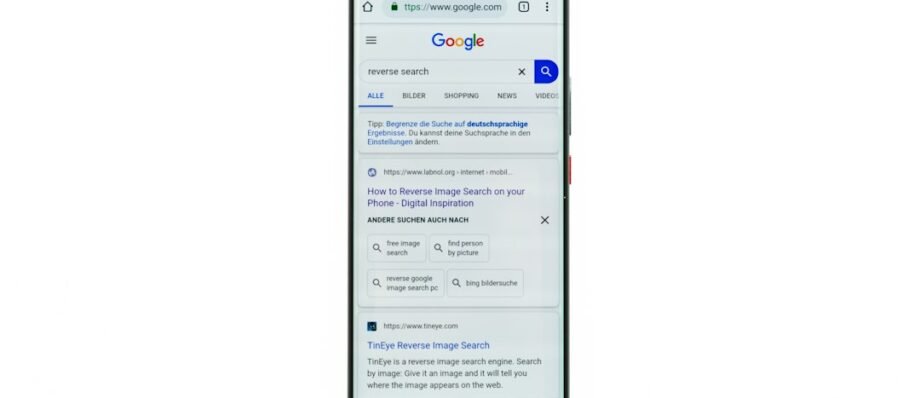
A simple but powerful trick is to perform a reverse image search on any photos provided. Tools like Google Images allow you to upload an image or paste its URL to see where else on the internet that image appears. If the photos show up on multiple other listings, especially for different items or in different locations, it’s a huge red flag. This indicates the seller has likely stolen generic stock photos or images from other legitimate listings.
Inconsistent or Poor-Quality Photos
Be wary of photos that are blurry, heavily edited, or clearly not of the actual item being sold. Sometimes scammers will use one or two decent photos combined with several very poor ones to obscure details. Also, look for inconsistencies: does the item look the same in all photos? Are there different backgrounds that suggest the photos were taken by different people or at different times, possibly aggregated from various sources?
Absence of Photos
A listing without any photos, or only a single, very generic one, should be approached with extreme caution. Why would someone be selling something without showing what it looks like? This is a common tactic for scammers who don’t actually possess the item.
Seller Profile and History
Most classifieds sites offer some form of seller profile or history. While not foolproof, it can provide valuable clues.
New Accounts and Lack of History
Brand new accounts with no previous activity, feedback, or other listings are often used by scammers. They create an account, post a few fake listings, and then disappear once they’ve tricked someone. While everyone has to start somewhere, a new account selling a high-value item at an unbelievable price is a major red flag. Combine this with other suspicious signs, and it’s almost certainly a scam.
Generic or Incomplete Profiles
If the seller’s profile is very sparse, lacking personal details (within reason), or uses a generic avatar, it adds to the suspicion. Real people usually have a bit more presence or history on platforms they use regularly.
Reviewing Past Listings and Feedback
If the platform has a feedback system, read through it carefully. Look for patterns of negative feedback, or even suspiciously glowing, overly enthusiastic reviews that seem unnatural. Sometimes scammers will try to “boost” their profile with fake positive reviews from other compromised accounts. If a seller only has one or two reviews, and they’re all generic and positive, it’s worth a closer look.
Communication Clues and Payment Pitfalls

How a seller communicates and what payment methods they prefer can tell you a lot about their legitimacy.
Evasive or Pressuring Communication
When you contact a seller, pay close attention to their responses.
Avoiding Direct Answers
Do they answer your specific questions clearly and directly? Scammers often provide vague answers, deflect, or ignore direct questions about the item’s condition, features, or their location. They want to keep the conversation as generic as possible.
Insisting on Off-Platform Communication
A big red flag is when a seller immediately tries to move the conversation off the classifieds platform to email, text message, or another messaging app. While sometimes legitimate, it often signals that they want to avoid the platform’s messaging tools, which might have built-in security features or moderation that could flag their suspicious activity. Plus, if something goes wrong, having the entire communication history on the platform can be helpful for disputes.
Poor Language and Grammar
While not everyone is a native speaker, consistently poor grammar, unusual sentence structures, or strange phrasing can be a sign that the seller is not who they claim to be or is operating from a different region. This is especially true if the item is supposedly local.
Suspicious Payment Requests
This is where many scams come to fruition. Be extremely cautious about how a seller wants to be paid.
Requests for Wire Transfers or Untraceable Methods
Any request to pay via wire transfer (like Western Union or MoneyGram), gift cards, cryptocurrency, or other untraceable methods should set off blaring alarms. These methods are favored by scammers because once the money is sent, it’s virtually impossible to recover. Legitimate sellers will almost always prefer cash for in-person transactions or secure payment platforms for shipped items (like PayPal Goods and Services).
Asking for Upfront Payments or Deposits
While some legitimate businesses might ask for a small deposit for custom orders or rentals, for a typical classifieds item, especially for something you plan to pick up, asking for an upfront payment before you’ve even seen the item is a huge risk. Never pay for an item before you have it in your hands or have verified its existence and condition (if applicable for shipping).
Overpayment Scams
In this scam, the seller “accidentally” sends you a check or money order for more than the agreed price and asks you to refund the difference. The catch? Their payment is fake. By the time your bank realizes the check is bad, you’ve already sent your real money to the scammer, and you’re on the hook for the full amount. Never accept overpayments.
Refusal of In-Person Meet-Ups
For local transactions, a seller’s refusal to meet in person to show the item is a major warning sign. How can you verify the item exists if you can’t see it? This is common with scammers who don’t actually possess the item they’re “selling.” Always push for an in-person meeting for local listings, especially for high-value items.
Verifying the Item and Seller in Person
If you’ve made it past the initial checks and feel good about communicating with the seller, the in-person meeting (for local purchases) is your final and most important step.
Choosing a Safe Meeting Place
Never meet a stranger in an isolated location or at your own home. Always choose a public, well-lit place during daylight hours. Good options include:
- Busy cafes or shopping centers: Lots of people around.
- Police station parking lots: Many police departments designate safe exchange zones.
- Bank lobbies: Another public place with cameras.
Let a friend or family member know where you’re going, who you’re meeting, and when you expect to be back. Consider bringing a friend along if you feel uncomfortable.
Thoroughly Inspecting the Item
This is your chance to ensure the item matches the description and photos.
Check Condition and Functionality
Examine the item carefully for any damage not disclosed in the listing. If it’s an electronic device, power it on and test its key functions. If it’s a vehicle, start the engine, check lights, tires, etc. Don’t be shy about taking your time.
Verify Authenticity (if applicable)
For high-value branded items (electronics, designer goods, collectibles), be prepared to verify authenticity. This might involve checking serial numbers, looking for specific brand markings, or even knowing common counterfeit indicators for that particular item. Do your homework before you go.
Serial Number Checks
If the item has a serial number (e.g., electronics, tools, vehicles), verify it matches any numbers provided in the listing. You can also sometimes run a quick search online to ensure the serial number isn’t reported stolen. For vehicles, always run a VIN check.
Trusting Your Gut (Again) During the Meet-Up
Even if everything seems okay online, if something feels off during the meeting, don’t proceed. If the seller seems nervous, avoids eye contact, or changes their story, listen to that internal alarm. It’s perfectly okay to walk away from a deal if you’re not 100% comfortable. Your safety and peace of mind are worth more than any bargain.
What to Do If You Suspect a Scam
| Metric | Description | Typical Indicators | Risk Level |
|---|---|---|---|
| Price Comparison | Compare the listed price with market value | Price significantly lower than average | High |
| Seller Contact Method | How the seller prefers to communicate | Requests for communication outside platform (email, phone) | Medium to High |
| Payment Method | Accepted payment options | Requests for wire transfer, gift cards, or cryptocurrency | High |
| Listing Details | Completeness and clarity of the ad | Vague descriptions, poor grammar, or missing photos | Medium |
| Seller Profile | Information about the seller’s history and ratings | New account, no reviews, or negative feedback | Medium to High |
| Urgency | Seller’s pressure to complete transaction quickly | Pushes for immediate payment or quick decision | High |
| Too Good to Be True Offers | Deals that seem unusually advantageous | Unrealistic promises or bonuses | High |
If you’ve encountered a suspicious listing or a potential scammer, taking action helps protect others.
Report the Listing
Most classifieds websites have a “Report” button or link on each listing. Use it! Provide as much detail as possible about why you believe it’s a scam. This helps the platform’s moderation team investigate and remove fraudulent listings, preventing others from being targeted.
Block the User
Block the suspected scammer to prevent them from contacting you further.
Do Not Engage Further
If you realize you’re dealing with a scammer, stop all communication immediately. Do not try to “trick” them or waste their time. Just disengage and report.
Warn Others (Carefully)
If you have friends or family who use the same classifieds site, you might want to share general scam awareness tips without specifically naming individuals, to avoid potential issues.
If You’ve Been Scammed
If you’ve unfortunately fallen victim to a scam:
- Contact your bank or payment provider immediately: If you used a traceable payment method, they might be able to help.
- File a police report: Provide all the details, including screenshots of communications, transaction IDs, and any other evidence you have. While recovery can be difficult, reporting helps authorities track these activities.
- Report to the classifieds website: Again, provide all details of the scam.
By staying vigilant, asking the right questions, and following these practical tips, you can navigate classifieds websites safely and confidently, securing those great deals without falling prey to fraudsters. Happy hunting!